814 notes tagged as ["Customer experience"]
Filter your results by choosing one or more tags below or type your query in the search field above.
-
What high-scale AI systems reveal about context, orchestration and why most AI fails between experimentation and execution. At scale, AI without memory isn’t just inefficient. It’s unworkable (we said it).
This analyst report examines how AI memory functions as core enterprise infrastructure, enabling systems to retain context, coordinate decisions and operate coherently across long-lived workflows.
-

Retailers that embrace AI-powered customer experience management today are putting themselves on the front foot to be best-placed to thrive tomorrow. The retail sector is at a crossroads. At a time when products and prices can often be easily matched, it is increasingly the customer experience that sets brands apart.
Research has shown that companies that prioritize customer experience see revenues typically grow 4% to 8% above competitors. Whether browsing in-store or online, modern consumers are increasingly demanding seamless, personalized retail experiences — not just transactions — at every touch point. To remain competitive, and build both customer loyalty and revenue, retailers must deliver an exceptional customer experience, and that means tailored, data-driven insights and proactive action when things go wrong. And that’s where AI is offering some serious potential for retailers.
-
AI is reshaping how consumers discover products. Search, product pages, and category browsing are increasingly compressed or bypassed entirely. The transaction still happens on the brand’s site, but the pages customers land on are now responsible for far more of the journey than they were designed to handle. Even as AI platforms pull back from owning checkout directly, the discovery shift driving customers to these pages is only accelerating.
-
You are currently enjoying the free trial mode which gives only back 3 results for each of your searches.
Click on Reset Search Tags to try another search.
Free NewsletterOnly paid members can get full access to the most recent content, create their own tags & personal folders, assign search results to specific projects and much more… all of this for less than 99c a day.
-
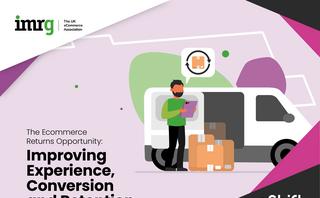
The ecommerce returns opportunity
We are excited to announce that our ‘The Ecommerce Returns Opportunity: Improving Experience, Conversion and Retention’ report in collaboration with industry expert nShift is available now! Returns have become a key driver of customer satisfaction, conversion and loyalty, making an effective returns strategy more important than ever.
Discover the latest insights from 1,000 UK consumers to understand changing expectations, identify opportunities to optimise your returns process, and learn how leading retailers are turning returns into a competitive advantage.
-

How retailers can reduce payment fraud
Retailers today face a difficult balancing act: strengthening fraud prevention while maintaining a smooth and seamless customer experience. As digital payments continue to grow, so does exposure to fraud. This can be particularly problematic for small to midsized retailers that may lack dedicated security resources. At the same time, customers expect fast, frictionless transactions across both online and in-store channels.
-

AI for the store associate: The key to improving the shopper experience
Retailers are investing heavily in artificial intelligence to enhance customer experiences and streamline operations. Industry estimates placed the global AI-in-retail market at roughly $11.6 billion in 2024, with continued rapid growth expected through 2030. With these investments, much of the industry’s attention has focused on automation and customer-facing technology. Yet despite advances in automation, customers still turn to associates when they need answers, guidance, or help completing a purchase.
-

After the click: Turning AI-referred shoppers into loyal customers
Today’s highest-converting shoppers start their buying journey with AI. Sometimes they know exactly what they want. Other times, they just know what they need: relief from a headache, a warmer coat, a gift for someone impossible to shop for. Either way, they ask an AI assistant to narrow their options, get recommendations, and click through to a storefront with the decision mostly made, ready to buy.
-

4 Experts on how to make AI investments worthwhile
The promise of AI technology that is often repeated is it can transform how CX teams scale their operations, make employees more productive and open up access to data on unprecedented levels. It doesn’t always work out this way, according to Brian Cantor, managing director at CMP. The benefits vendors promised from their AI solutions can fall short in unexpected ways or require more investment than initially expected.
-

Switzerland luxury market report 2026
The Switzerland Luxury Market Report 2026 examines how one of the world’s most sophisticated luxury markets continues to perform amid economic uncertainty, changing consumer expectations and global disruption. Discover how wealth, craftsmanship, tourism, digital innovation and sustainability are influencing the future of luxury retail in Switzerland.
Understanding the Swiss Luxury Market
The Switzerland Luxury Market Report 2026 provides an in-depth analysis of this distinctive retail landscape. It explores everything from the strength of the Swiss watch industry to the growth of mobile commerce, personalised customer experiences and sustainable luxury.
-
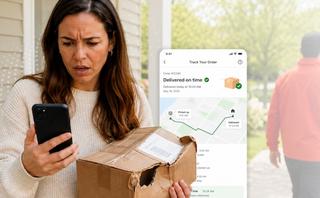
Who owns the last mile delivery experience?
A customer orders from your brand, has a terrible delivery experience through DoorDash or Instacart, and leaves a one-star review that tags you, not the driver. It doesn’t matter that you never touched the package after it left the warehouse. It doesn’t matter that the delay was the platform’s fault.
To that customer, you failed them.
This is the central tension of last mile delivery. Retailers have embraced third-party platforms to meet rising consumer expectations for speed and convenience, and for good reason.
-

8 Challenges faced by online businesses in Central and Eastern Europe
Running a business online comes with numerous challenges due to the fast-moving environment , where customer expectations are higher, competition is just a click away, and technology keeps evolving. Still, moving online is clearly worth it.
In Central and Eastern Europe (CEE), 73% of people shop online, so if your business isn’t there, you’re missing a large share of customers. The European e-commerce market itself is huge, too, expected to reach €353.5 billion in 2026 and keep growing.